Explore destinationNaturparke Niederoesterreich

Project start date: 1 January 2026
Background:
The European nightjar (Caprimulgus europaeus) is listed in Annex I of the
Birds Directive in Austria and is classified as ‘Vulnerable’ (VU) under the Habitats Directive (FFH) and as ‘Critically Endangered’ on the Red List.
The Lower Austria Red List describes the need for action as follows:
Caprimulgus europaeus - SPEC:2 / VSR: I / RLÖ: 3
Species conservation programme desirable; improved population monitoring and management, as well as accelerated
research into the biology and threats to the native population; Implementation of
conservation proposals in key habitat areas (particularly Steinfeld, Marchfeld).
This leads to our project “From Goat to Nightjar”
Project details
The areas concerned are all located within the Sierningtal-Flatzer Wand Nature Park and represent
confirmed and potential breeding habitats for the nightjar.
Due to abandoned or incorrect management (mulching, mowing without removal of cuttings), the valuable plant communities of the FFH type
‘semi-dry and dry grasslands’ (6210) are at risk of
disappearing. In addition to white hellebore (Dictamnus albus), Gösing hawk’s-beard and spring pasque flower (Pulsatilla
vernalis), there are numerous flowering plant species and woody plants such as the single-spiked hawthorn (Crataegus
monogyna). These woody plants provide, amongst other things, a breeding habitat for the red-backed shrike Lanius collurio and, in
the edge zones, for the woodlark Lullula arborea. Furthermore, the hoopoe Upupa epops is also becoming
increasingly common.
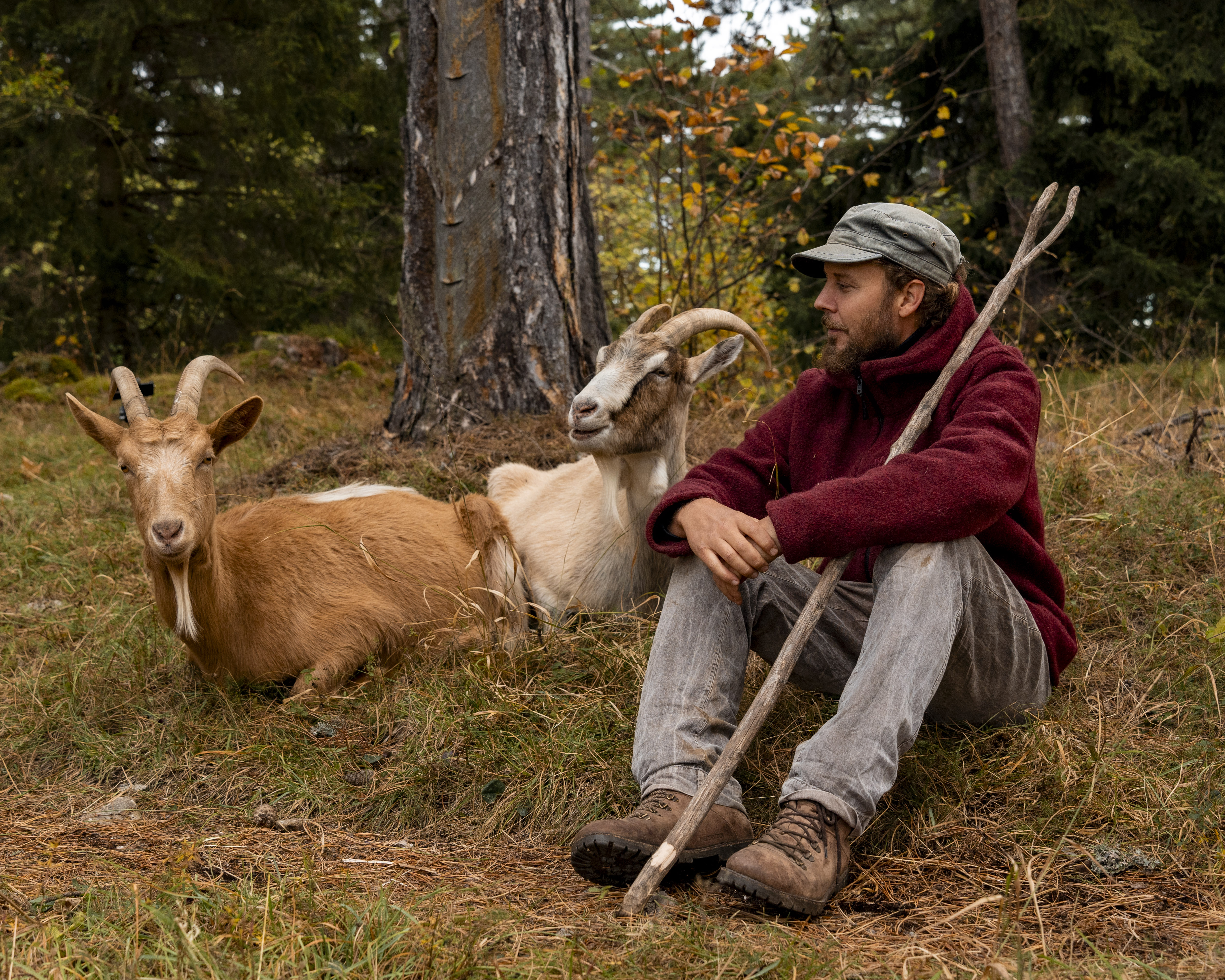
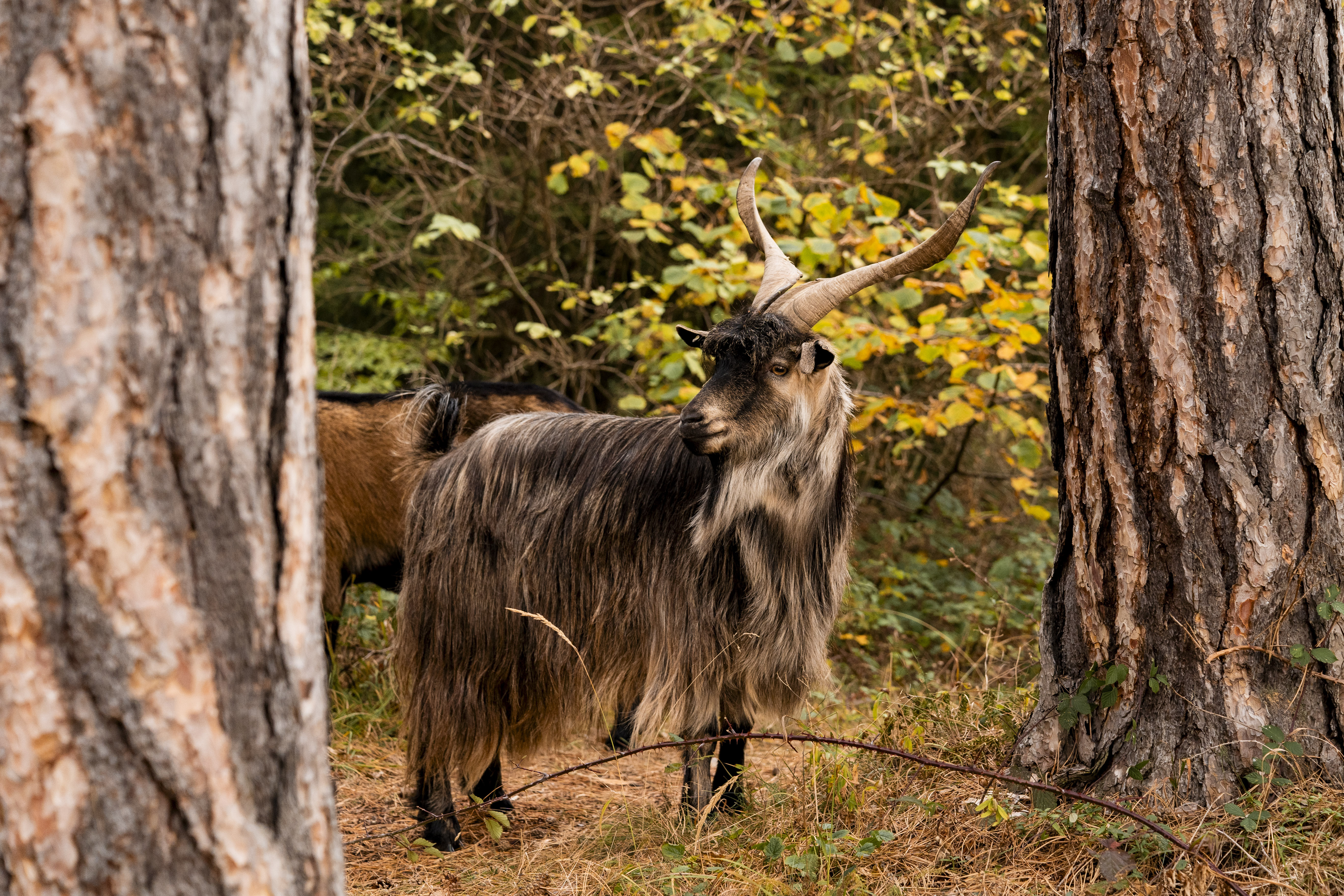
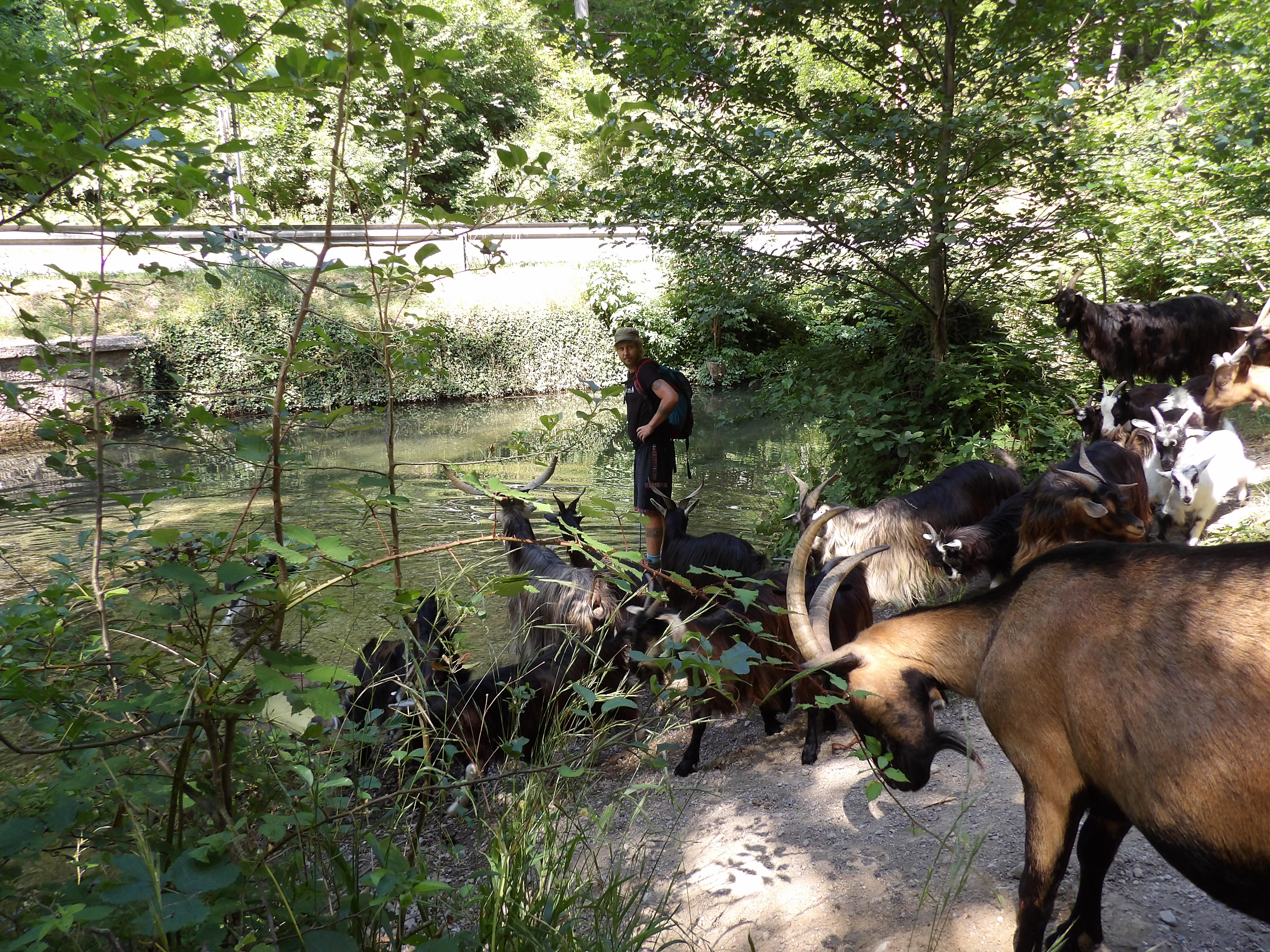
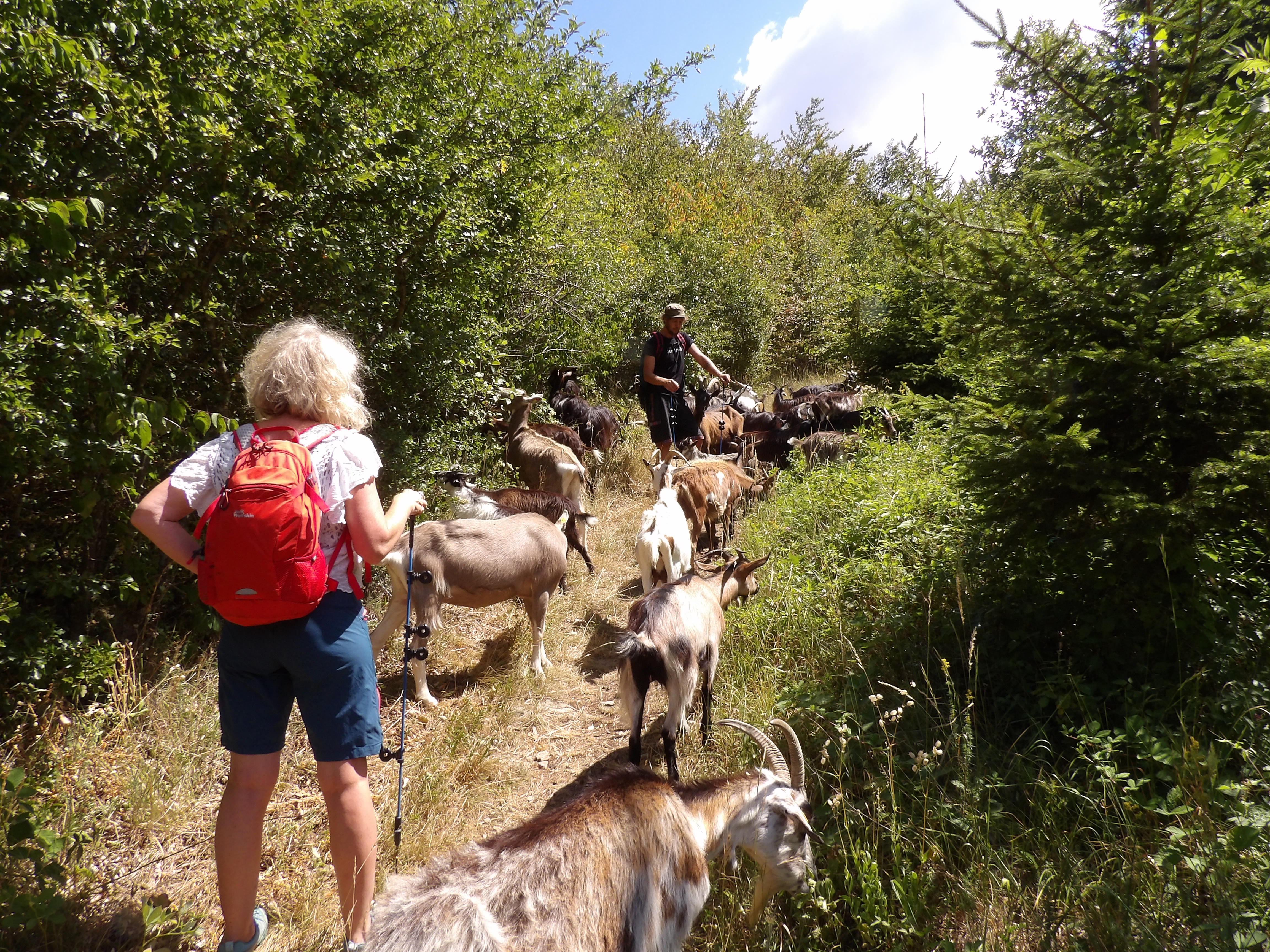
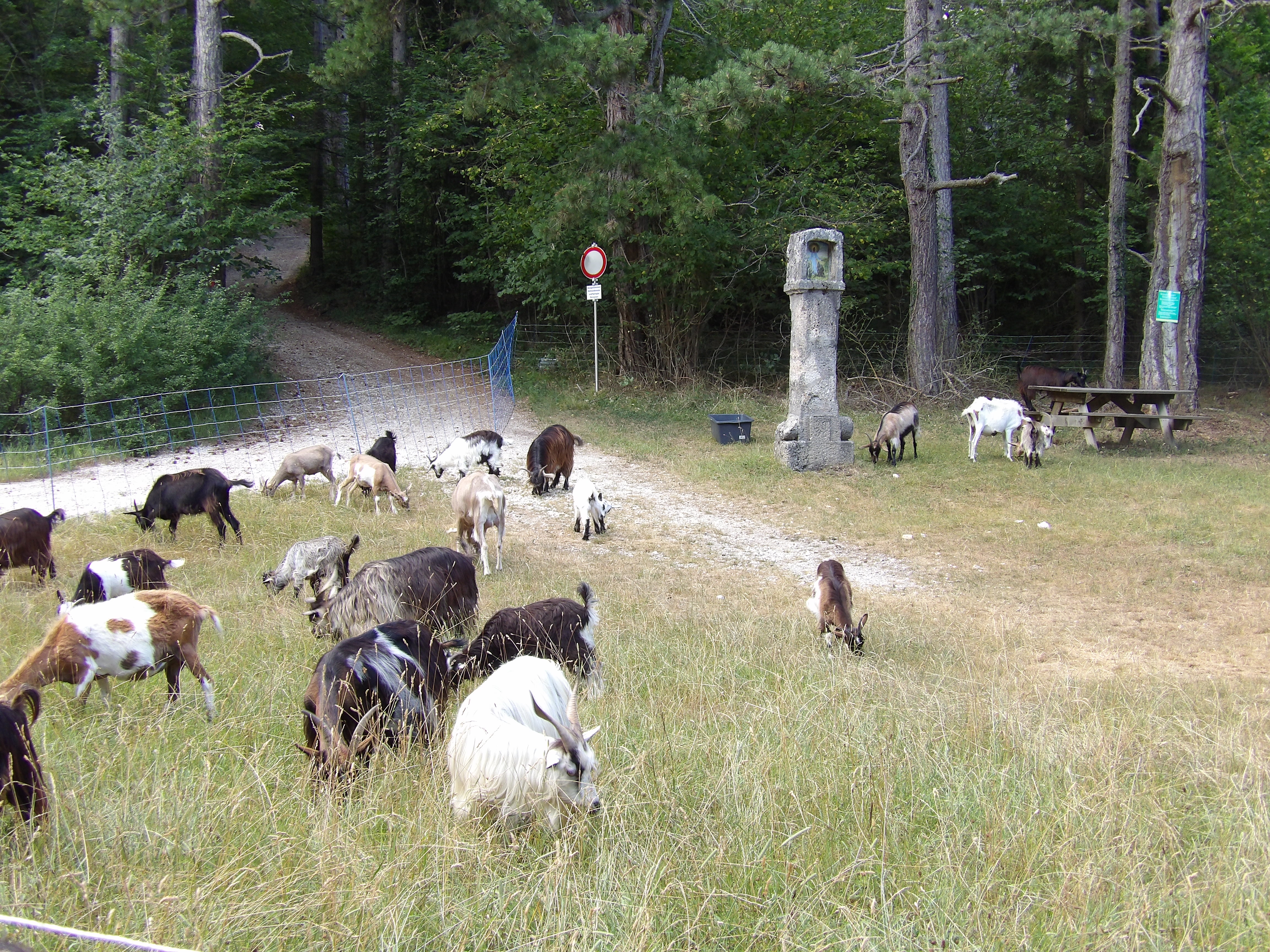
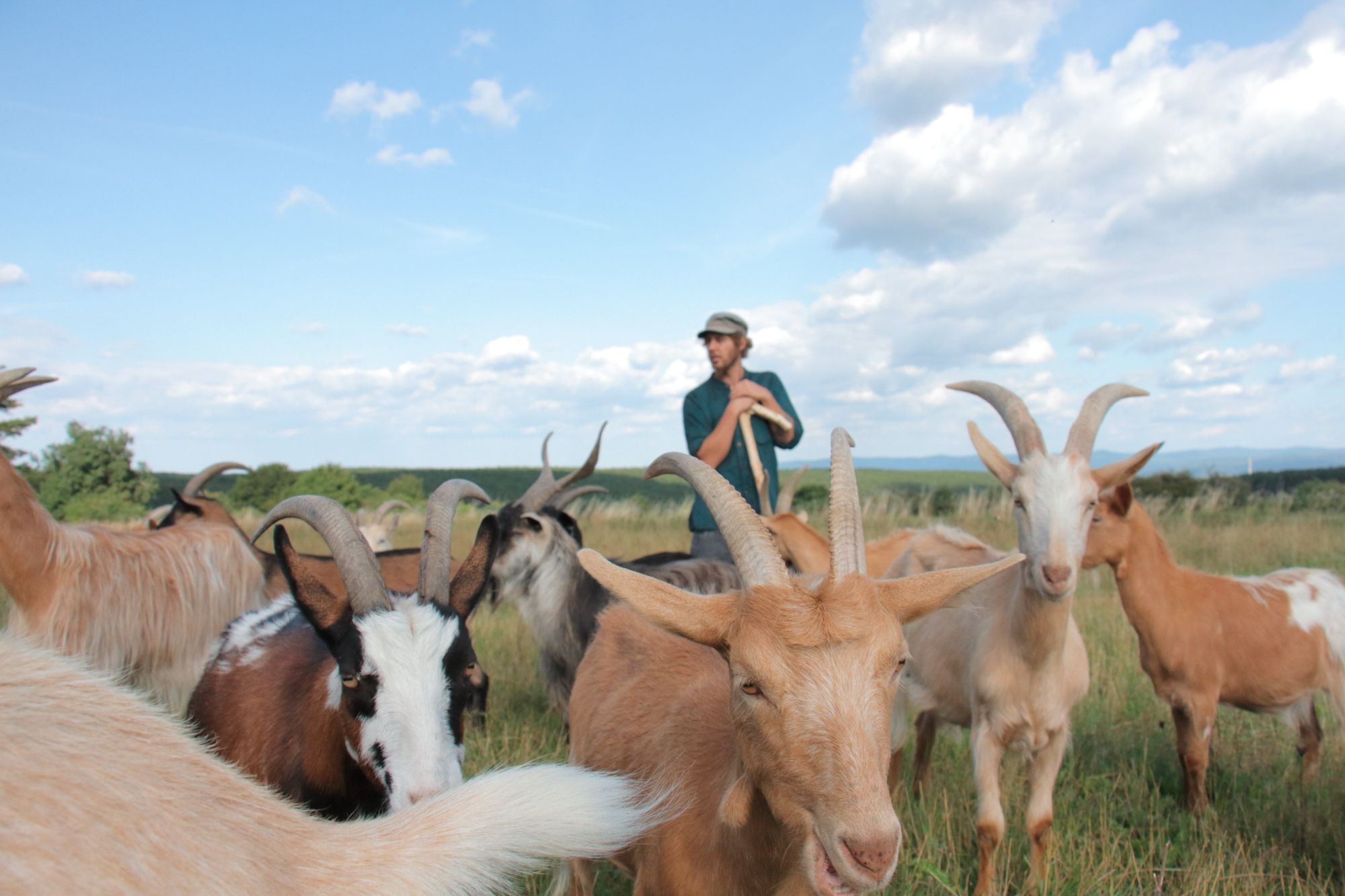
Extensive grazing with small ruminants and
small-framed Bosnian mountain horses is intended to gently graze the
vegetation cover and reduce scrub encroachment
, particularly by blackthorn and privet. This aims to
preserve a
semi-open, structured landscape and improve the breeding habitat structure, particularly for the
nightjar. The nightjar requires semi-open
forest edges and open areas for hunting insects.
Education
Our nature educators and rangers regularly guide interested visitors to the areas
to highlight their unique features. The birds’ nesting sites are, of course, not
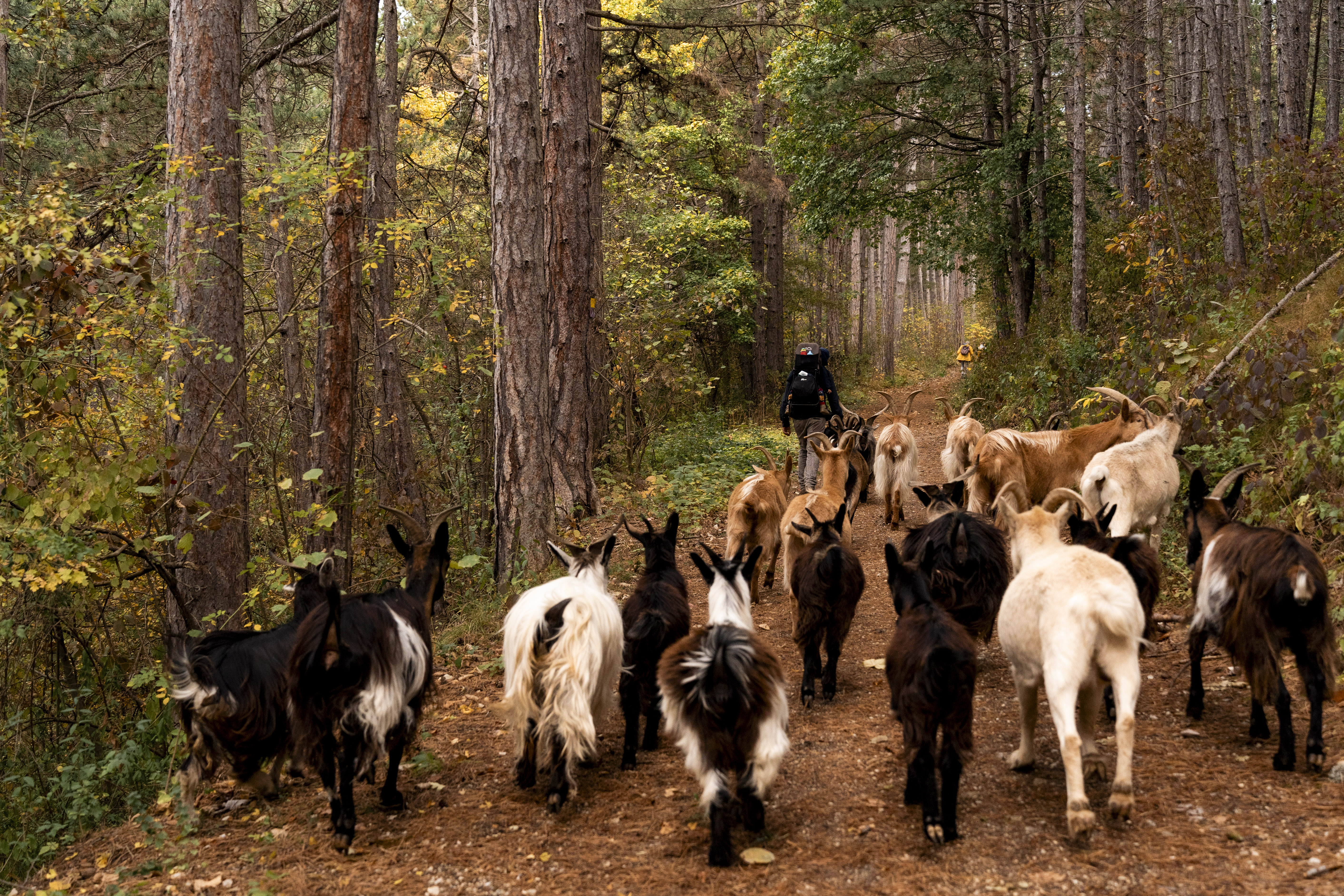
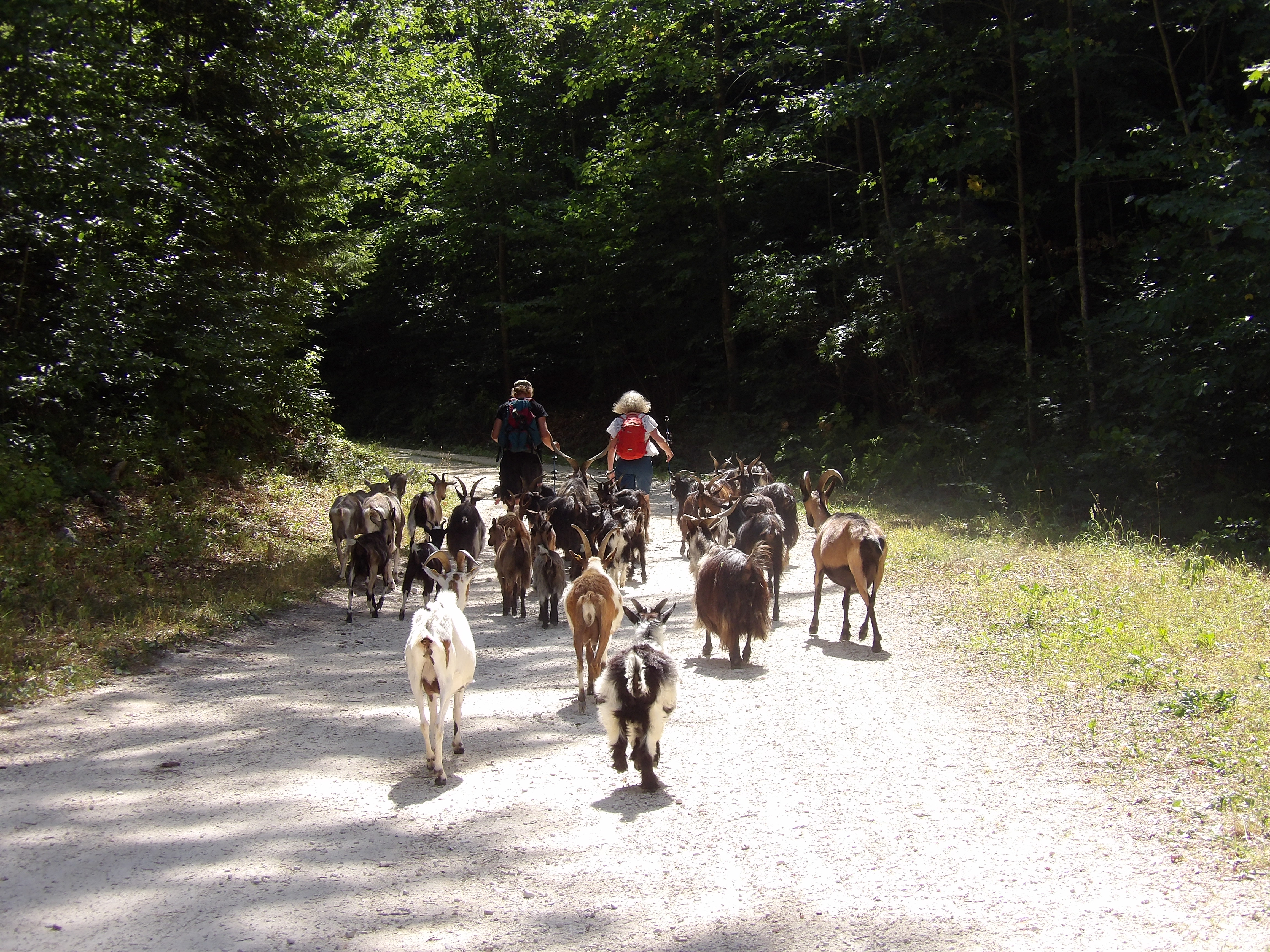
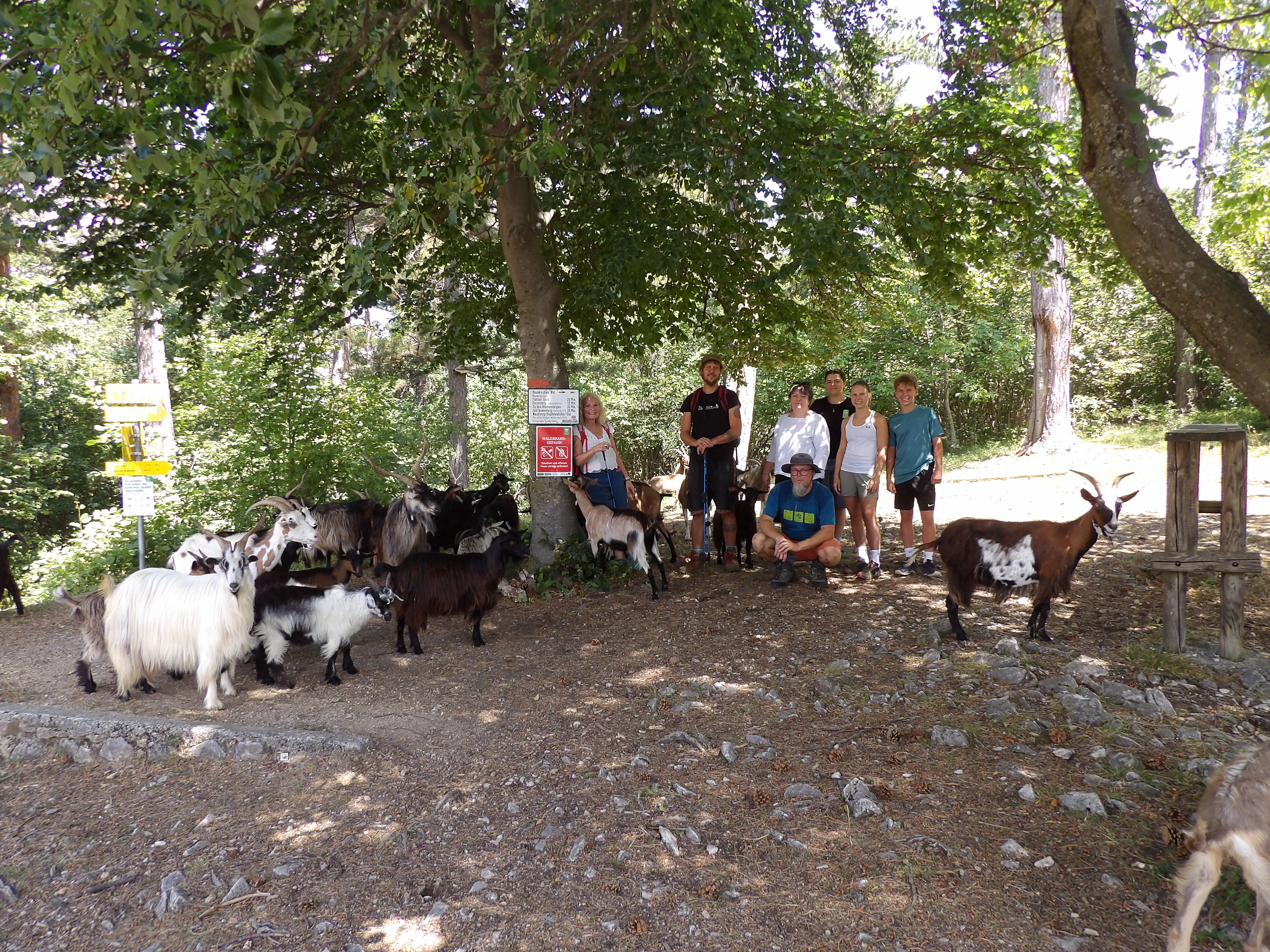
disclosed, but are recorded through surveys. A goat migration
also takes place twice a year. During this, the goats are herded up
to the Flatzer Wand to restore the calcareous grasslands and open structures there.
The goats clear two areas of scrub, thereby opening them up for smooth snakes, wild bee species
and, indeed, the nightjar. This work can then be observed
live from the Nature Friends hut.
Monitoring
is carried out by the grazers themselves as part of the process or commissioned via the expert pool of the
Lower Austrian Nature Parks.
For the grazing of the 2.41 ha of dry grassland/forest edges at Döppling/Ternitz and the 0.28 ha on the
Flatzer Wand, the herd requires two passes per year (spring and autumn).
Project start date: 1 January 2026
Background:
The European nightjar (Caprimulgus europaeus) is listed in Annex I of the
Birds Directive in Austria and is classified as ‘Vulnerable’ (VU) under the Habitats Directive (FFH) and as ‘Critically Endangered’ on the Red List.
The Lower Austria Red List describes the need for action as follows:
Caprimulgus europaeus - SPEC:2 / VSR: I / RLÖ: 3
Species conservation programme desirable; improved population monitoring and management, as well as accelerated
research into the biology and threats to the native population; Implementation of
conservation proposals in key habitat areas (particularly Steinfeld, Marchfeld).
This leads to our project “From Goat to Nightjar”
Project details
The areas concerned are all located within the Sierningtal-Flatzer Wand Nature Park and represent
confirmed and potential breeding habitats for the nightjar.
Due to abandoned or incorrect management (mulching, mowing without removal of cuttings), the valuable plant communities of the FFH type
‘semi-dry and dry grasslands’ (6210) are at risk of
disappearing. In addition to white hellebore (Dictamnus albus), Gösing hawk’s-beard and spring pasque flower (Pulsatilla
vernalis), there are numerous flowering plant species and woody plants such as the single-spiked hawthorn (Crataegus
monogyna). These woody plants provide, amongst other things, a breeding habitat for the red-backed shrike Lanius collurio and, in
the edge zones, for the woodlark Lullula arborea. Furthermore, the hoopoe Upupa epops is also becoming
increasingly common.
Extensive grazing with small ruminants and
small-framed Bosnian mountain horses is intended to gently graze the
vegetation cover and reduce scrub encroachment
, particularly by blackthorn and privet. This aims to
preserve a
semi-open, structured landscape and improve the breeding habitat structure, particularly for the
nightjar. The nightjar requires semi-open
forest edges and open areas for hunting insects.
Education
Our nature educators and rangers regularly guide interested visitors to the areas
to highlight their unique features. The birds’ nesting sites are, of course, not
disclosed, but are recorded through surveys. A goat migration
also takes place twice a year. During this, the goats are herded up
to the Flatzer Wand to restore the calcareous grasslands and open structures there.
The goats clear two areas of scrub, thereby opening them up for smooth snakes, wild bee species
and, indeed, the nightjar. This work can then be observed
live from the Nature Friends hut.
Monitoring
is carried out by the grazers themselves as part of the process or commissioned via the expert pool of the
Lower Austrian Nature Parks.
For the grazing of the 2.41 ha of dry grassland/forest edges at Döppling/Ternitz and the 0.28 ha on the
Flatzer Wand, the herd requires two passes per year (spring and autumn).

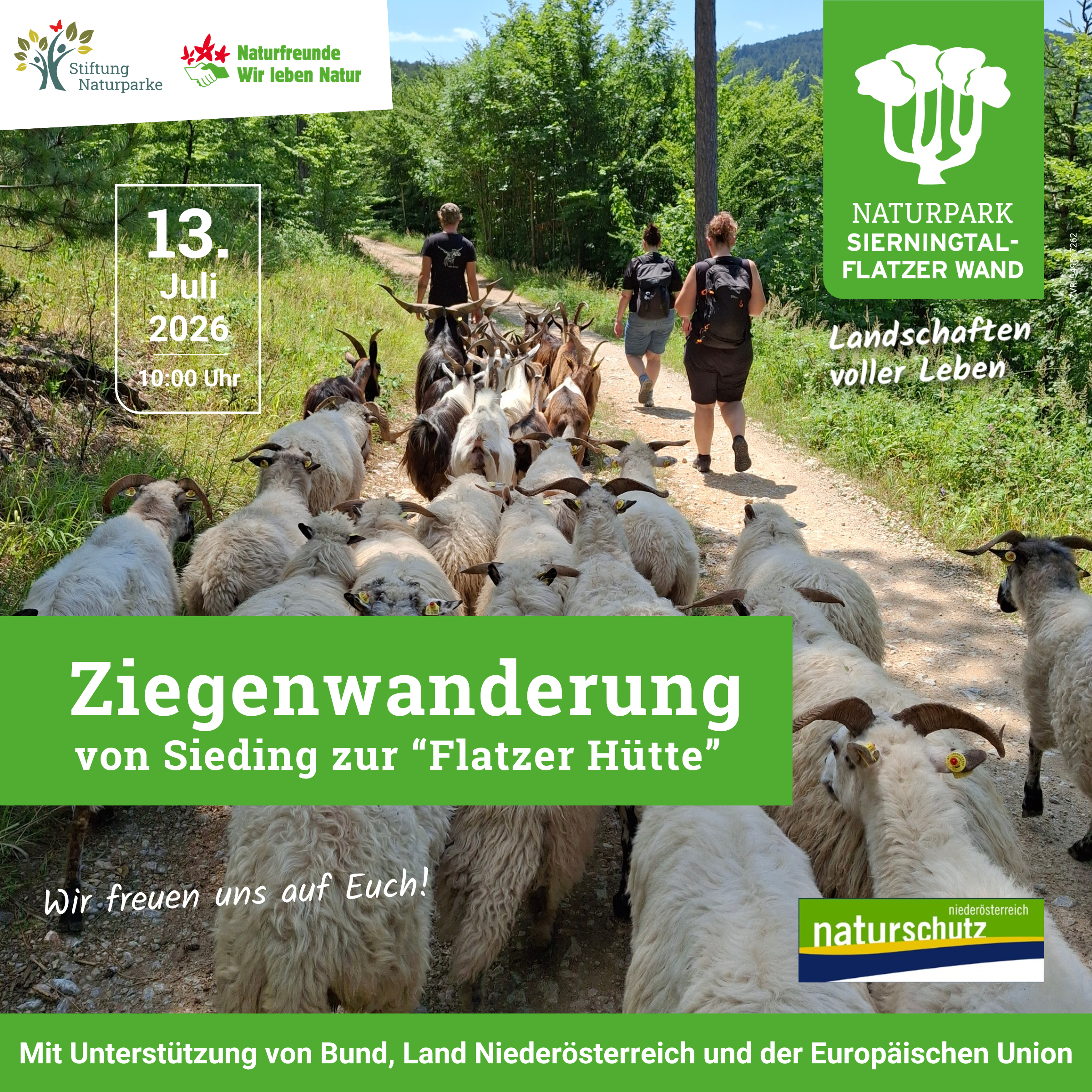
A hike on 7 June from Flatz to Sieding, right through the Sierningtal-Flatzer Wand Nature Park.
Goat walk from the Sieding-Stixenstein Nature Park Centre to theNeunkirchen Nature Friends Centre:
Accompanied by the goats from the Bockerlhof in Mahrersdorf, owned by Barbara and Stefan, we’ll walk to the ‘Flatzer Ziegengarten’ on the Flatzer Wand, where the goats will be spending the next few days. Along the way, you’ll learnt a lot about our nature park and the grazing project ‘From Goat to Goat Milk’.
Target audience: Our walk is aimed at nature lovers of all ages! Unfortunately, dogs cannot come along, so as not to disturb the work of the herding dogs and shepherds with the goats.
Meeting point: 13 July 2026, 9.45 am at the Sieding-Stixenstein Nature Park Centre by the goat enclosure
. Key details: 4 km, approx. 2.5 hours, ascent approx. 298 metres
. The event ends at the Neunkirchen Nature Friends’ House
.
Döppling
.JPG)
.JPG)
.JPG)
.JPG)
.JPG)
.JPG)
.JPG)
Sieding-Stixenstein Nature Park Centre
.JPG)
.JPG)
.JPG)
.JPG)
.JPG)